


Wallpaper Making a Comeback?
FEBRUARY 5, 2025| SpeedPro East BayYou read that right—wallpaper is making a comeback. We’ve been saying this for a while now, but of course, our opinion could be biased because we print wallpaper. Now, the experts at Mercury News have weighed in and confirmed that wallpaper is indeed not what it used to be.
When we think of wallpaper, we often imagine cheesy, unattractive prints from the 1970s and 1980s. However, wallpaper has a long and prominent history in the world of interior design. Its popularity has ebbed and flowed over time, reflecting the different styling preferences of each era.
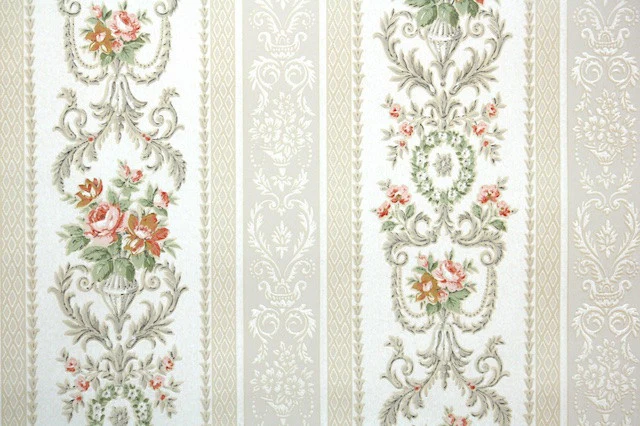
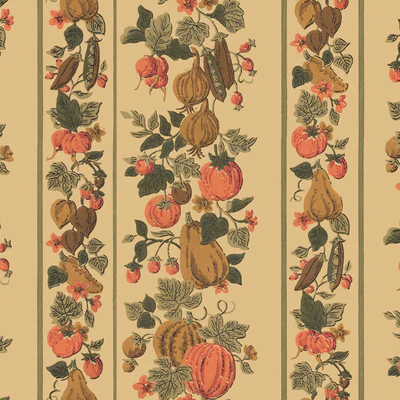
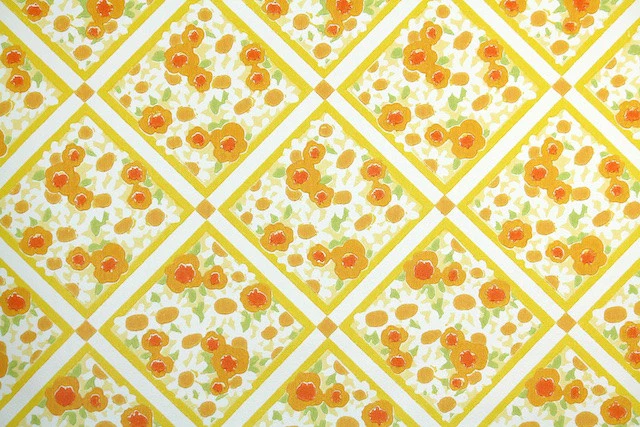
In the early 1900s through the depression, old geometric patterns and vibrant colors were popular, reflecting the Art Deco movement. In addition, increased production led to more affordable options for the middle class. But after the stock market crashed, the focus shifted towards simpler designs, with clean lines and muted colors. Eventually, wallpaper declined in popularity as painted walls became more common, aligning with the minimalist aesthetic. As we moved towards the very end of the 20th century and into the 21st, wallpaper has experienced a resurgence with the emergence of new materials and innovative designs. Today, wallpaper continues to evolve with advancements in technology, including peel-and-stick options and digitally printed designs making it a wonderful choice for accented walls, or to add a touch of personality and visual interest.
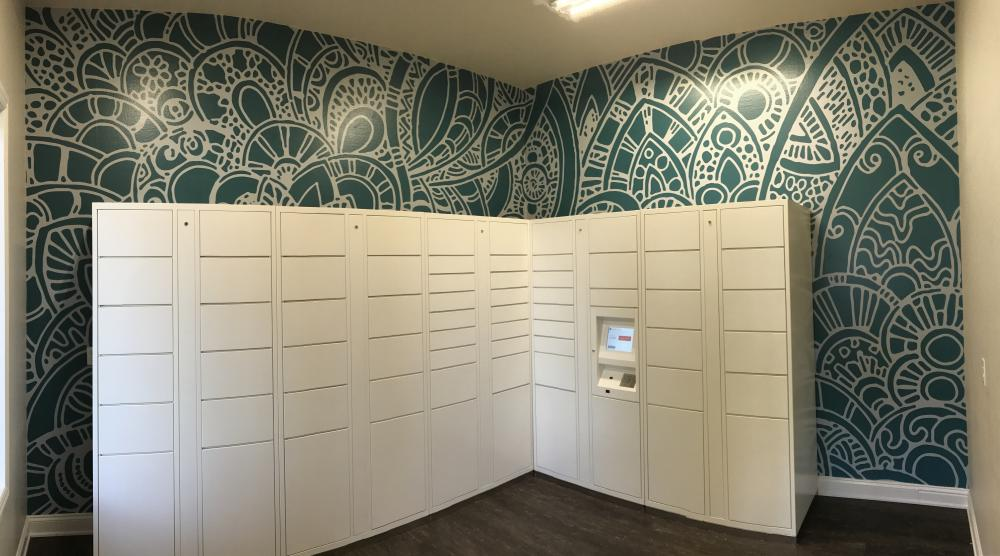
Marni Jameson from the Mercury News had the chance to look deeper into the wallpaper update by taking information from Joanna Gaines of HGTV’s television series “Fixer Upper,” and this is what she found: Season, style, and personal preferences often change. One day you may love the colors in your house and its vibe, but you may wake up one morning with a change of heart and want something new. Wallpaper, unlike painting, gives you that luxury of changing your mind. And that is true for both pasted, and peel and stick wallpapers. Gaines looked at all the previous kinds of wallpaper dating back about 100 years, which inspired her to use more modern design.
Not only have the patterns been revamped but the way the wallpaper is installed and removed has become less stressful. Gone are the days of picking and peeling at the paper that ruins the wall underneath.
Gaines has her own brand of wallpaper that takes away the challenge of installation. Still, if you’re thinking local, our wallpaper materials here at SpeedPro East Bay allow for the option of easy install, as well as removal, and are guaranteed to last many years without peeling or fading. We also have professional installers to help with this, so there is no need to waste a perfectly good weekend with a DIY project.
But for those who love the classics, today’s technology allows us to recreate historic patterns for a fraction of the cost. A recent client wanted to update her daughter’s room to align with the daughter’s favorite author, Emily Dickinson. No problem! With an archival photo of the original wallpaper, we were able to recreate the same look and feel with today’s modern materials

Peel and Stick Wallpapers
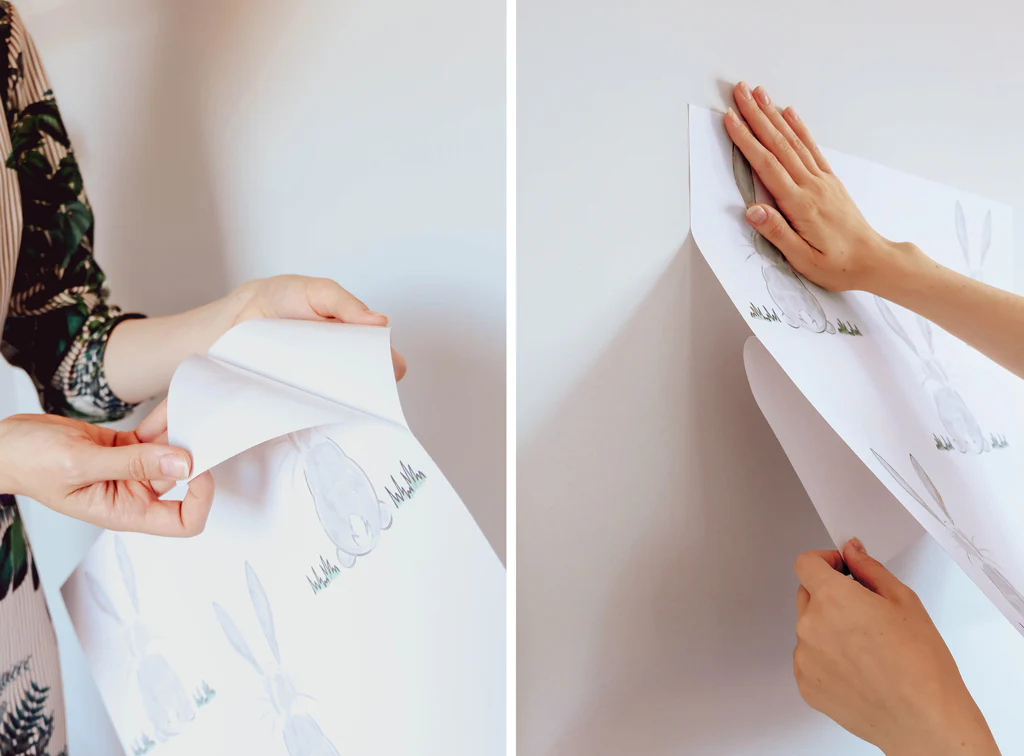
Also known as self-adhesive wallpapers, these differ from classic wallpaper in that they come with an adhesive backing built in. This allows the installers to cut out the use of wallpaper paste completely, making for a much quicker and cleaner installation. These wallpapers can be ordered with stock repeating patterns or custom printed for a completely unique look. Peel and stick wallpapers can also come in a wide variety of finishes, allowing for both textured and smooth surfaces and anything in between. These differ from vinyl wrap materials in that they are not made of PVC (like vinyl or plastic); they are actually canvas-like fabric material, as one would expect from a wallpaper product.
Classic Pasted Wallpapers
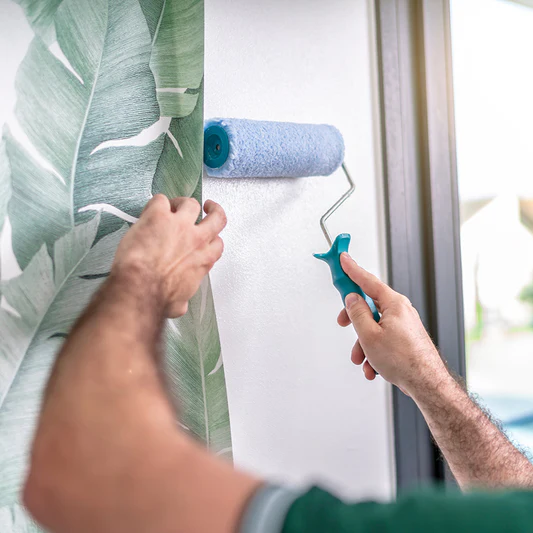
Although self-adhesive wallpapers have many innovations that make them easier and cleaner to install, it is tough to replicate the seamless look of a perfectly installed classic pasted wallpaper. The paste actually allows the installer to move and shift the paper into just the right spot to create the most flawless alignment. And the wallpaper not being self-adhesive, allows the installer to lift the film so that they may cut and remove the overlap or “bleed,” which creates a perfectly aligned edge-to-edge seam. This differs from peel-and-stick wallpapers because peel-and-stick usually requires that neighboring panels are layered, one over the other, creating a faint but visible seam. On a perfectly installed classic pasted wallpaper it should be impossible for the viewer to see the seams between panels. This can create an effect that is visually stunning for high-end installations.