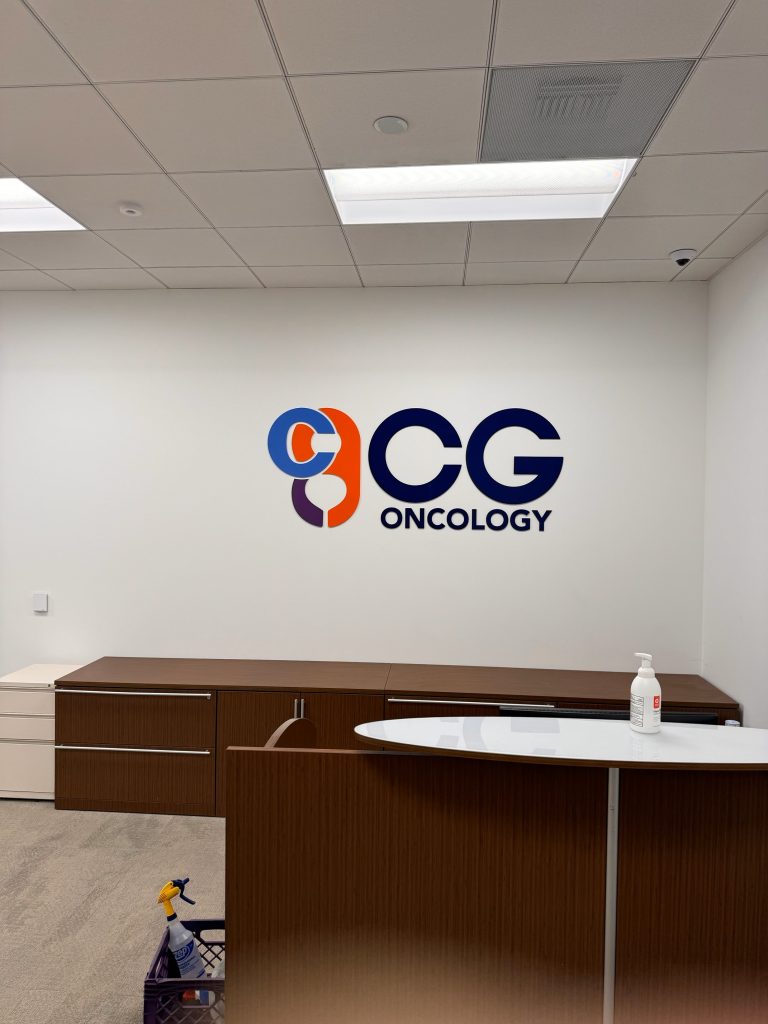


Raised Lettering: A Simple Product for a Big Visual Impact
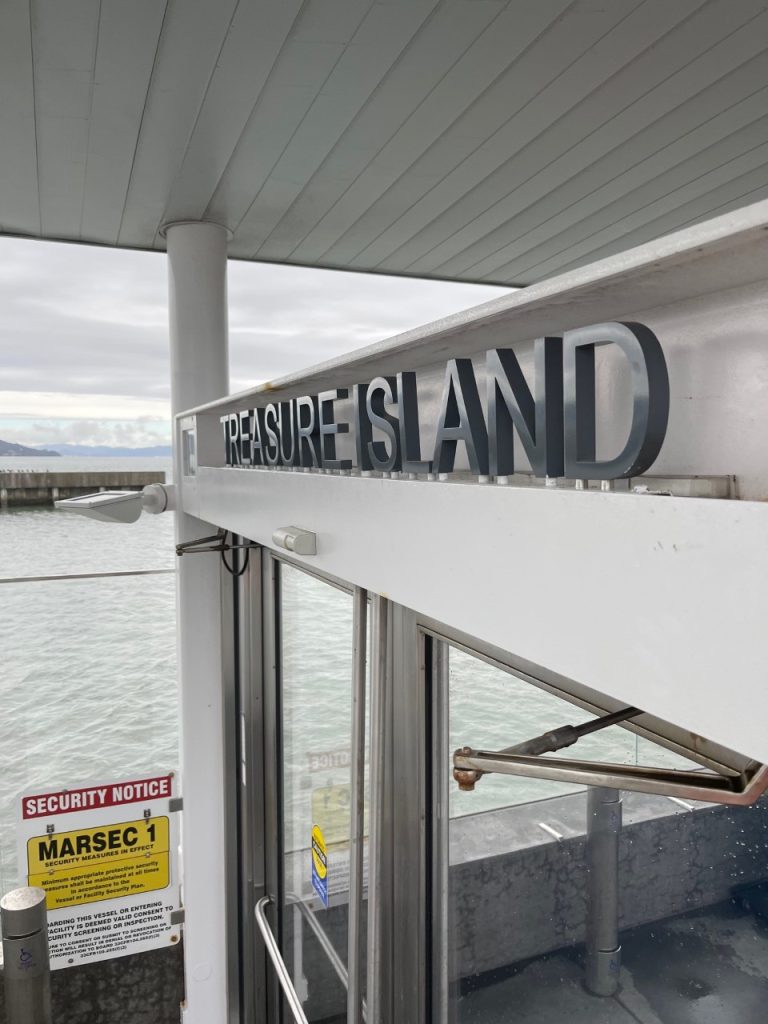
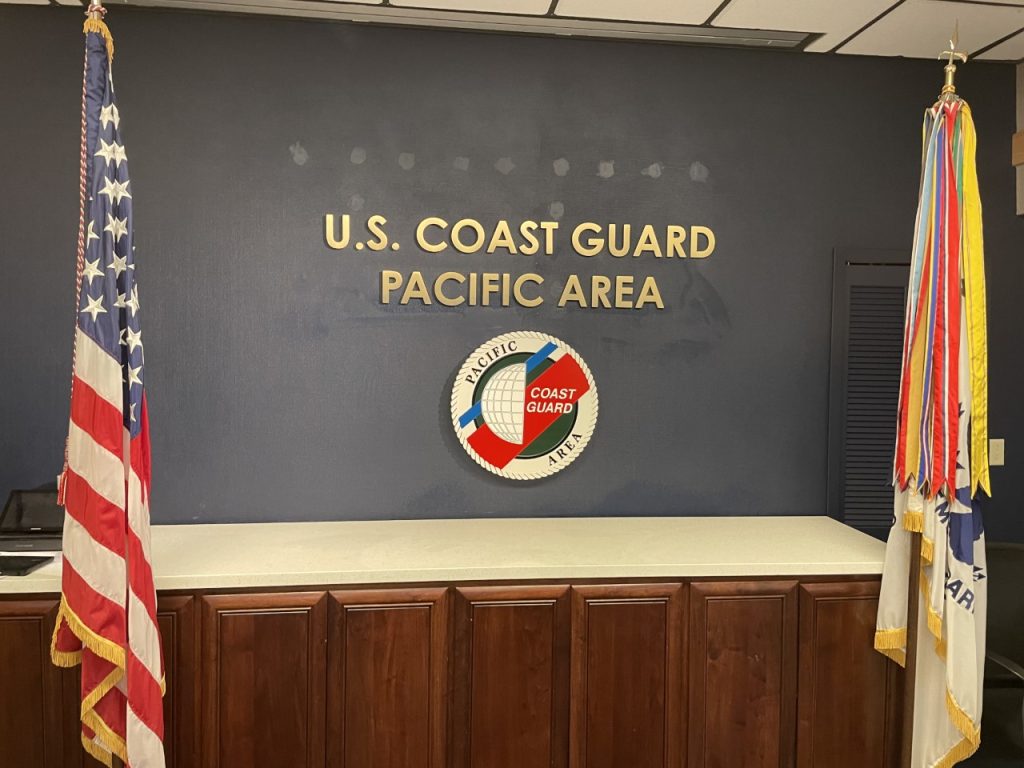
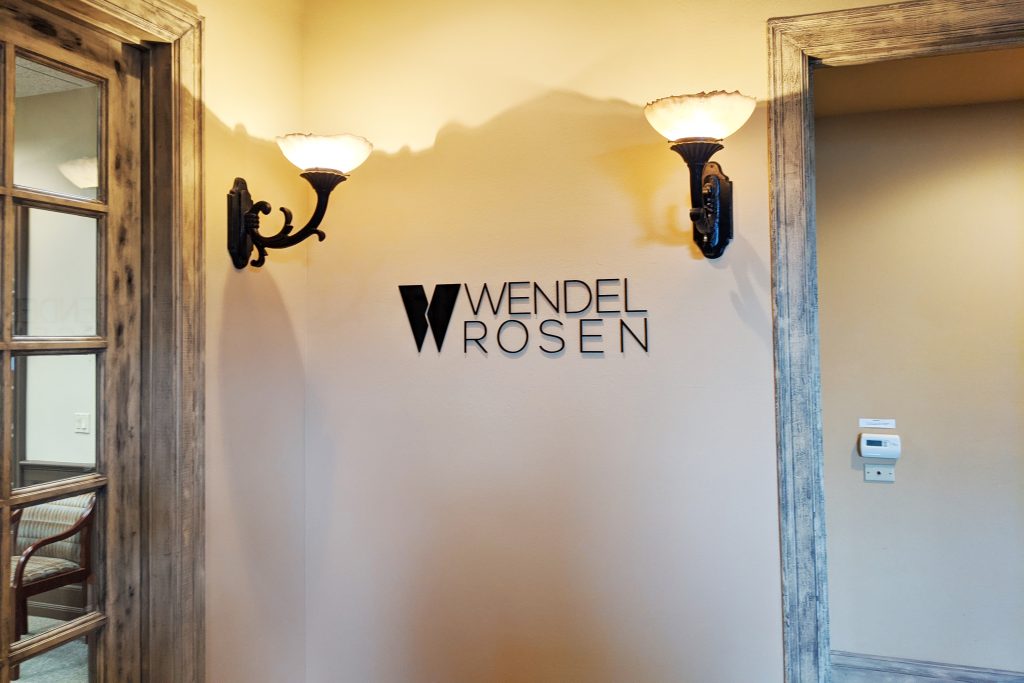
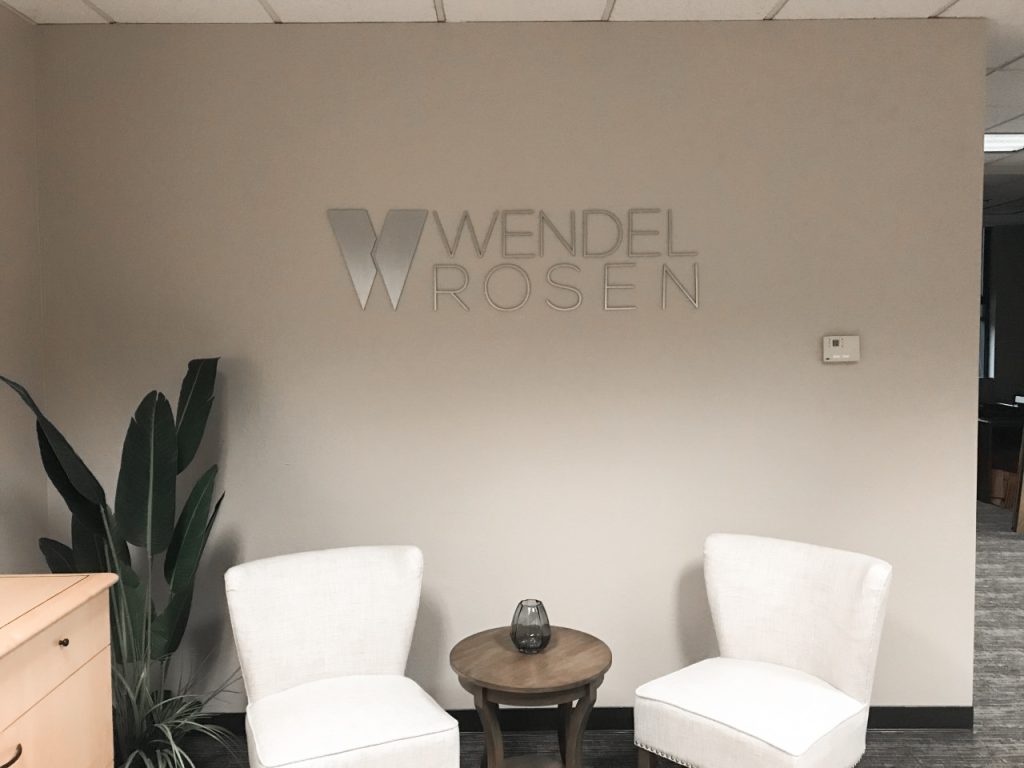
JANUARY 8, 2025| SpeedPro East BayRaised lettering refers to letters, logos and graphics that are physically raised above the surface of the sign. This product creates a three-dimensional effect, making the text more visually prominent and tactile. This provides an effective way to showcase a business’s name and branding, attracting attention and leaving a lasting impression. The benefits of raised lettering include:
- Enhanced Visibility: Raised letters stand out, especially from a distance, making them easier to read and identify.
- Improved Brand Recognition: The unique tactile and visual appeal can help create a strong brand identity.
- Durability: Raised letters are often made from durable materials like metal or acrylic, ensuring long-lasting signage.
- Professional Appearance: Raised lettering can elevate the overall look of a business, conveying a sense of quality and sophistication.
- Accessibility: For individuals with visual impairments, raised letters can provide a tactile way to read signage.
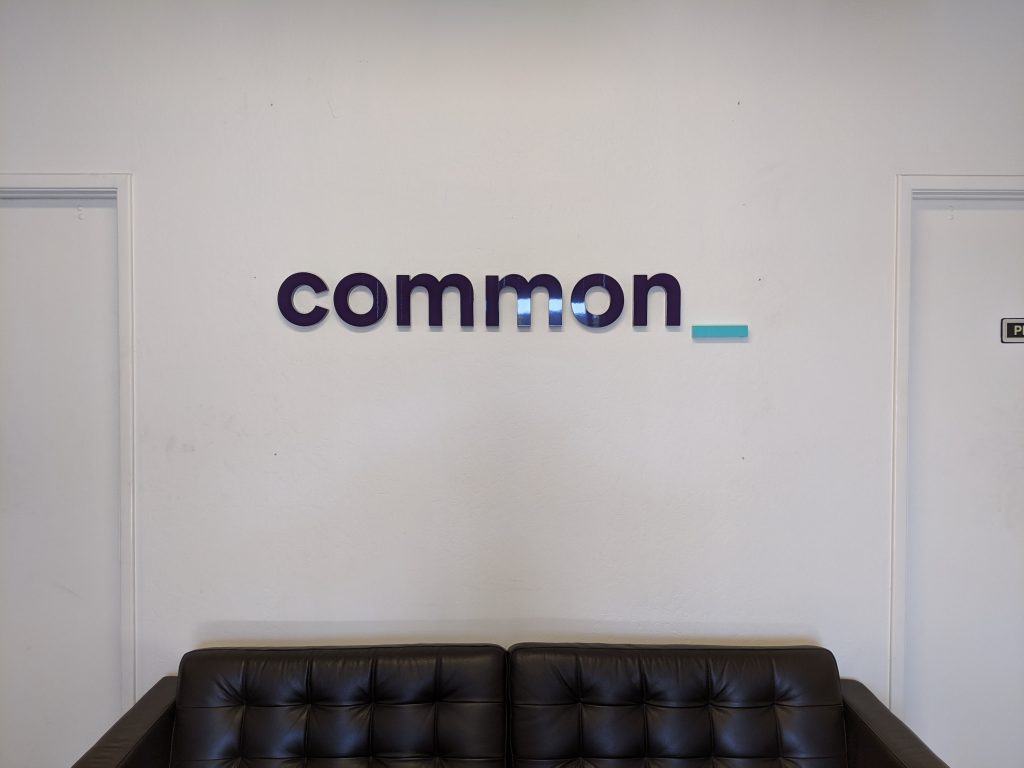
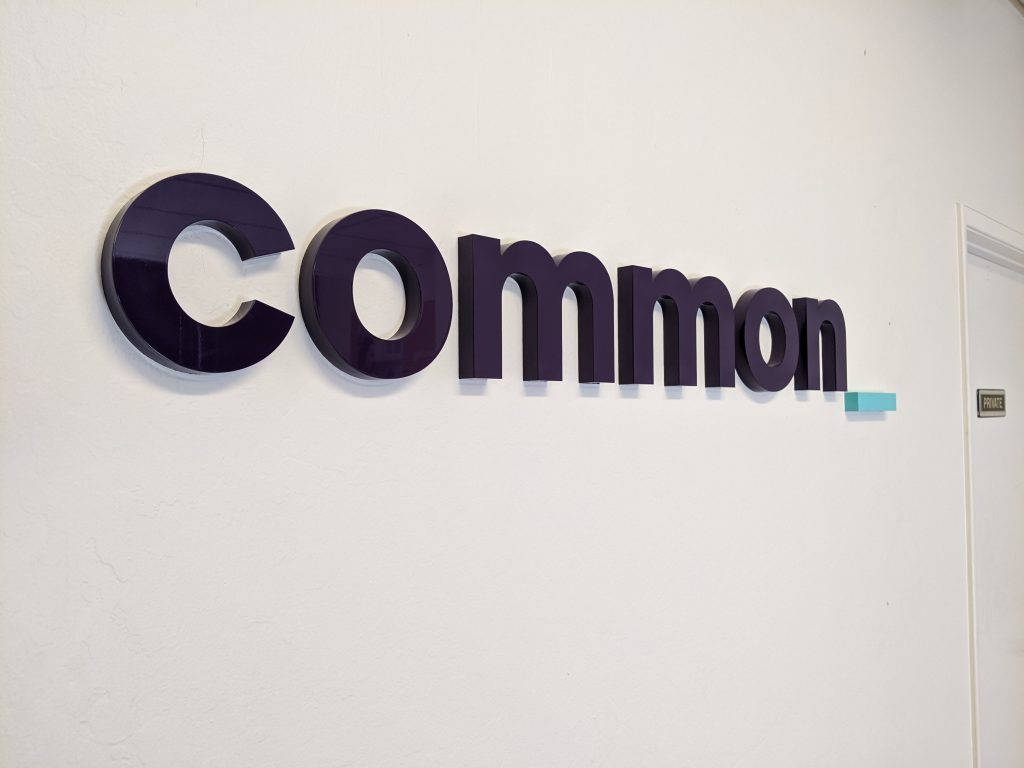
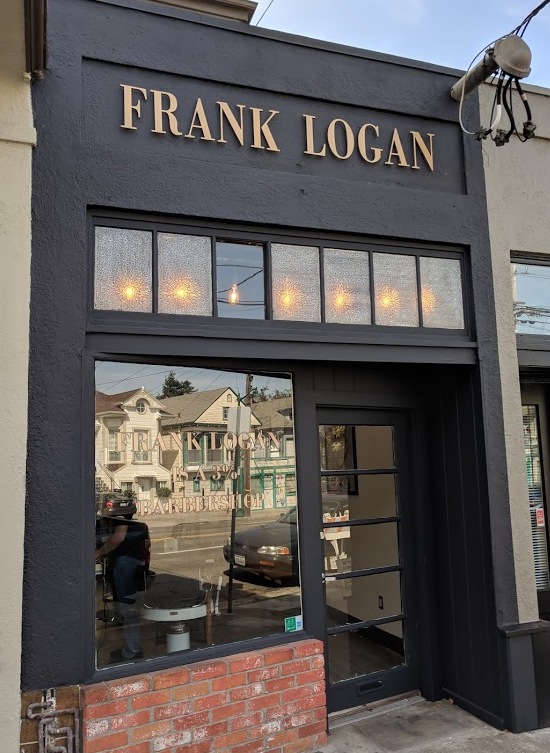


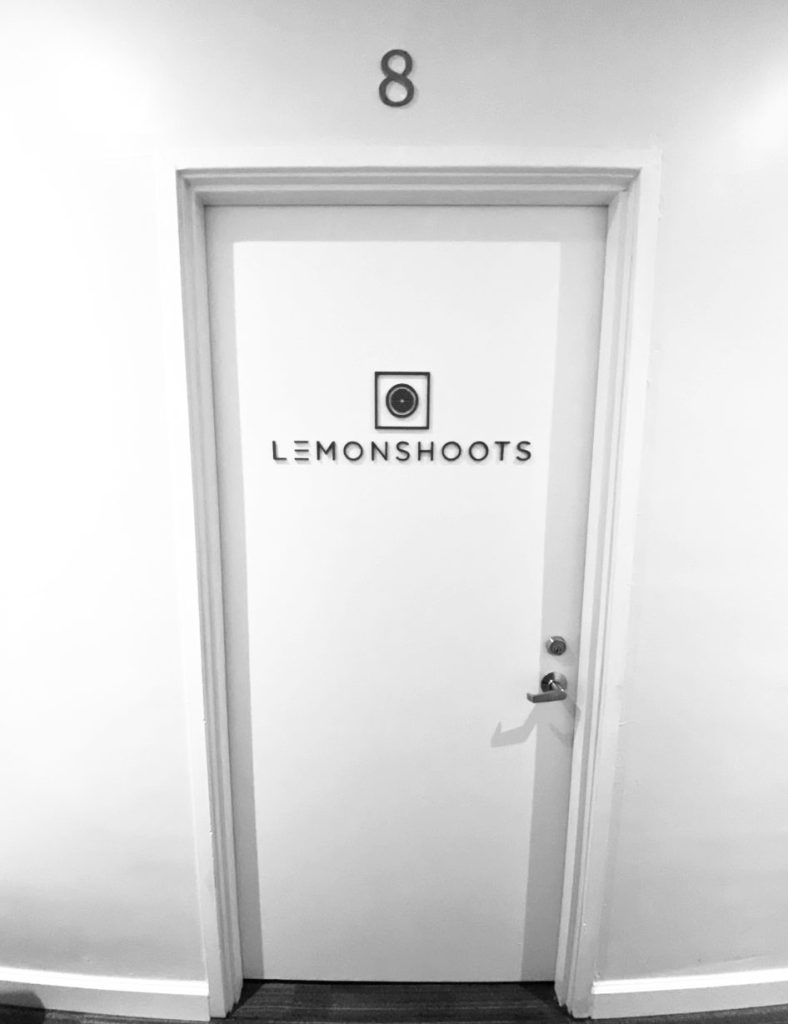
Ways to Incorporate Raised Lettering
Raised lettering offers a diverse range of commercial applications, enhancing visual appeal and functionality across various industries.
A primary use lies in building and/or storefront signage. Customized to reflect unique brand identities, these signs draw attention and boost curb appeal. Additionally, raised lettering plays a crucial role in interior signage, providing wayfinding cues through lobby signs, directional markers, and room identifiers. These signs contribute to a professional and inviting ambiance.
Beyond traditional signage, raised lettering finds applications in various creative and functional contexts. It can be used to craft custom logos, brand identifiers, and architectural accents by adding a touch of sophistication and elegance, both indoors and outdoors. Furthermore, it elevates promotional materials, awards, and plaques, adding a touch of refinement and value. Raised letters are also essential for ADA-compliant signage, ensuring accessibility for visually impaired individuals (if you have questions about raised lettering as it relates to ADA signage, follow this link: https://www.speedpro.com/east-bay/ada-signage-design-requirements/).
Popular Styles of Raised Lettering
Raised lettering can be made from a huge variety of different materials but they generally fall into two categories: Plastic and metal.
Plastic lettering can be made from formed plastic for a more rounded look, injection molded for flat and thick looking letters, or flat cut for letters that need to be thinner. Metal lettering can also be either cast, which offers aluminum or bronze options, flat cut, which comes in aluminum, bronze, brass, copper, stainless steel, or Cor-Ten steel options. Additionally, metal letters can also be painted, for extremely durable and brightly colored applications. Both metal, and plastic raised lettering can come with lighting options which require electricity. Lit signs will be discussed in a future blog.
FAQs About Raised Lettering
What size letters should I order for my space?
Visibility is usually the primary focus when deciding on sizing for new signage in any space. In an ideal world, for raised lettering you want the lettering to be eye-catching and easy to read, but not so large that you begin to overspend, and use too much space that could potentially be used for other signage or visual elements. First, consider the maximum distance at which you’d like your lettering to be readable. Once you decide on that, use this sizing chart for minimum letter sizing for adequate visibility at various distances.
| Lettering Visibility Chart | |
| Viewing Distance | Minimum Lettering Height |
| 100ft | 4in |
| 250ft | 10in |
| 360ft (1 city block) | 16in |
| 500ft | 22in |
| 750ft | 33in |
| 1000ft | 43in |
| 1320ft (1/4 mile) | 57in |
How do I care for my raised lettering?
If you want to keep the original quality and luster of your lettering it is vital to clean both indoor and outdoor lettering regularly. The frequency of cleanings depends greatly on the environment, but in general a cleaning every few months is ideal. Warm soapy water with GENTLE liquid dish soap like Dawn, and a sponge or soft cloth are best for cleaning your raised lettering. Always wipe with the grain of the letters, not against it. Avoid harsh detergents and chemicals like Ajax or Comet, and do not use any solvent-based thinners. Always make sure that any cleaning products you use will not damage the finish on your lettering.